
How to reduce drip loss when thawing frozen food
Drip loss — the purge that runs off as frozen product thaws — is one of the most underestimated costs in food processing. It takes weight, protein and value out of your product before it reaches the line. This guide explains what causes it and how to minimise it.
What causes drip loss
When food freezes, water inside the cells forms ice crystals. During slow thawing, those cells cannot always reabsorb the water as it melts, so it runs off as drip. The slower and more uneven the thaw, the more moisture is lost — along with soluble proteins and nutrients dissolved in it.
Conventional thawing rooms are the worst offenders: the long, uneven process gives cells plenty of time to release moisture, and the temperature gap between surface and core makes it worse.
Drip loss at a glance
- Caused by slow, uneven thawing releasing cell moisture
- Takes weight, protein and value out of product
- Worst with conventional thawing rooms
- Minimised by fast, uniform methods like RF
- Even a few percent recovered is a major recurring saving
Why fast, uniform thawing helps
The key to low drip loss is minimising the time the product spends thawing and keeping the temperature even throughout the block. Rapid, uniform methods give the structure less opportunity to release moisture and keep more of it locked in the product.
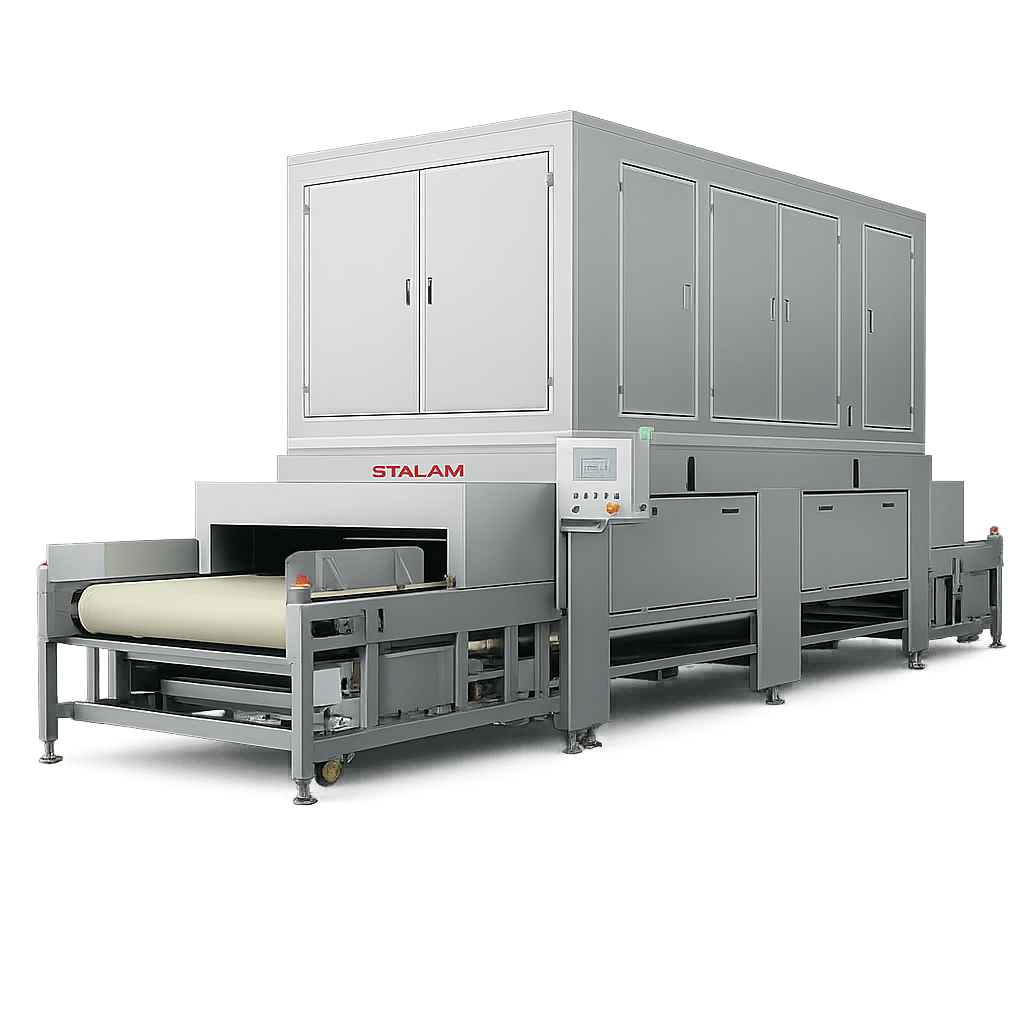
Radio-frequency thawing is particularly effective here because it heats the whole block volumetrically in minutes, keeping the surface-to-core temperature difference small. The result is markedly lower drip loss and retained product weight.
What the yield saving is worth
Drip loss of several percent is common with conventional thawing. On high volumes, recovering even a few percent of product weight is a substantial, recurring saving. For many processors this is the single clearest way that better thawing pays for itself — the retained yield outweighs the cost of the equipment, often quickly.
Getting it right for your product
Different products and formats behave differently, so the best approach depends on what you run. Global Food Technology supplies radio-frequency, water and controlled-air thawing systems and can advise on which gives the best yield for your product, and arrange a trial so you can measure the drip-loss difference on your own line.
Losing yield to drip loss?
We can help you measure it and cut it. Tell us your product and we'll recommend the right thawing method and arrange a trial.